bestorthopedicdoctoringuntur.com

bestorthopedicdoctoringuntur.com
When you buy or receive cryptocurrency, one important decision is where to keep it. A wallet is not just a place to view your token balance. It also determines how you access your digital assets and who controls the keys needed to manage them.
For people using the Solana network, self-custody is an important feature to understand before choosing a crypto wallet. It gives users greater control over their assets, but it also means taking responsibility for wallet security.
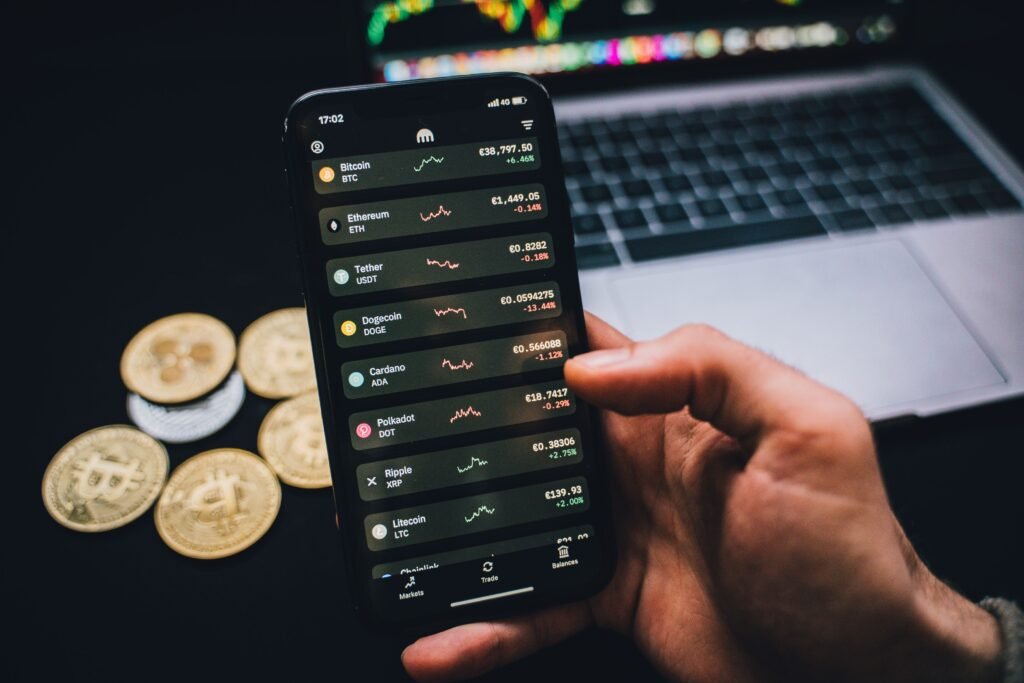
Self-custody means you control the private keys or recovery credentials that provide access to your cryptocurrency. Instead of depending entirely on an exchange or another service to manage your funds, you manage access through your own wallet.
This gives you more direct control over your digital assets. However, losing your recovery phrase or exposing your private keys can put your funds at risk.
With a self-custody wallet, access to your assets is controlled through your wallet credentials. You do not have to rely on a centralised exchange to approve every action.
Crypto exchanges and custodial services can have withdrawal restrictions, maintenance periods or account-related limitations. Self-custody offers an alternative by allowing users to manage supported assets directly through their wallets.
Solana users often interact with decentralised applications, token swaps and NFT platforms. A compatible self-custody wallet can make it easier to connect with supported services while retaining control of wallet access.
Always check the application and transaction details before approving any interaction.
Not every wallet offers the same experience. Before selecting one, consider a few practical points:
Self-custody: Understand who controls the private keys and recovery credentials.
Solana compatibility: Check whether the wallet supports the tokens and applications you use.
Ease of use: Look for a clear interface for sending, receiving and reviewing assets.
Security features: Check available protection options and wallet connection controls.
Transaction transparency: Make sure you can review transaction details before signing.
The Idx Web3 Wallet is one option Solana users can explore when comparing wallets for managing digital assets and accessing Web3 services.
Self-custody offers control, but it does not remove risk. There is usually no central support team that can simply reset access if you lose your recovery phrase.
Keep your recovery phrase offline in a secure place. Never share it with anyone, even if someone claims to represent wallet support. Be cautious of fake websites, unknown tokens and applications requesting unnecessary permissions.
For larger holdings, some users also consider hardware wallets or other additional security measures.
Choosing a Solana wallet is about more than convenience. Self-custody gives you greater control over your digital assets, along with the responsibility to protect them. Before using the Idx Web3 Wallet or any other wallet, understand its security model, check its features and keep your recovery credentials safe. In crypto, taking responsibility for access is an essential part of protecting your assets.